

wing-orders
wing-orders
International cuisine preparation close-up

wing-orders - since 2019

Teaching the world to cook across borders

wing-orders is a digital learning platform built around international cuisine. It delivers structured, sequential lecture content to learners across every continent - from foundational techniques to regional traditions rarely covered elsewhere.

See upcoming webinars
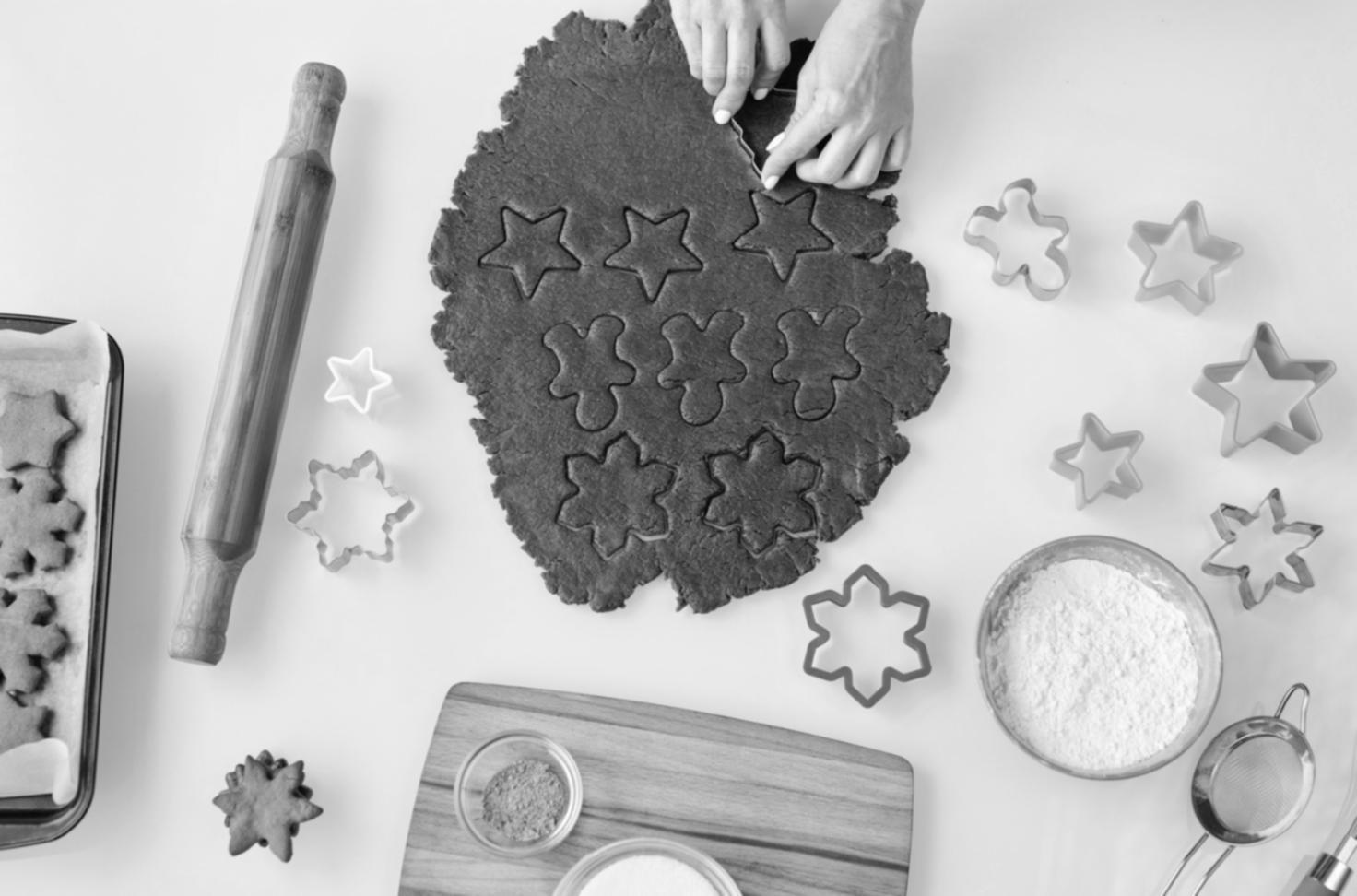
What this platform actually does

  • Sequential lecture modules covering regional cuisines - East Asian, Mediterranean, Latin American, and West African traditions among them
  • Multilingual support built in from the start, not added as an afterthought, so learners engage in their own language
  • Live and recorded webinar sessions where instructors demonstrate techniques in real time - no scripts, just cooking
  • A learner community spanning more than 40 countries, sharing feedback, adaptations, and local ingredient substitutions

The thinking behind the structure

Most culinary education online treats recipes as the endpoint. wing-orders treats them as the starting point for understanding why a dish works - its history, its chemistry, its cultural weight.

Each lecture builds on the previous one. A module on wingstop-style dry rubs, for instance, connects back to spice trade routes and forward to fermentation science. The content is designed so that skipping ahead costs you context, not just information.

Learners searching for something specific - whether that's a wingstop near me experience recreated at home, or a deep dive into Sichuan pepper - find structured paths rather than scattered videos. Every topic has a beginning, a middle, and a place to go next.

Diverse international dishes arranged on a table

Where the wingstop order meets the classroom

The platform covers familiar reference points - the flavors behind a classic wingstop order, the spice logic of Buffalo sauce, the structural differences between dry and wet rubs - and uses them as gateways into broader culinary science.

Instructors are working cooks and food researchers, not content creators. They bring specific knowledge from specific kitchens, and that specificity is what makes the lectures worth following.

See the learning program